
IGRSUP Gov In UP Portal: Login, Property Search, Index Records | Inspector General of Registration and Stamps Uttar Pradesh
The IGRSUP Portal is an online system connected to the Inspector General of Registration and Stamps Uttar Pradesh. This system works as a Government Property Portal where people can view information related to registration services and official records. The portal is available through igrsup.gov.in, which acts as the main website access point for users.
In simple terms, IGRSUP is a digital platform where users can check official services without visiting offices many times. People often open the portal to view records, find service pages, or understand how the system works. Also, the platform helps people access information through an Online Portal instead of relying only on physical visits.
The Inspector General of Registration and Stamps Uttar Pradesh manages and operates this portal. Because of that, the system stays connected with official departments responsible for registration services. Therefore, users can rely on the portal for information related to government property systems.
Moreover, the portal acts as a central website where different services are organized in one place. Users can move through the pages using Portal Navigation, which makes it easier to locate information quickly.
Sometimes people open the website just to check a service page. Sometimes they simply want to understand how the government property portal works. Either way, the IGRSUP Portal provides a clear entry point through igrsup.gov.in.
Also, many visitors reach the portal through the Official Portal Link shared on various information pages. Once the website loads, the system shows the main interface that guides users to different sections.
Although the system looks technical at first glance, it is actually simple to use. Even a first time visitor can move around the portal with basic steps. And yes, if someone gets lost on the site, it usually takes only a few clicks to find the correct page again.
Important IGRS Registration Portal Links for Indian States
| State | IGRS / Registration Portal | Official URL |
|---|---|---|
| Uttar Pradesh | IGRSUP Portal | https://igrsup.gov.in |
| Andhra Pradesh | IGRS AP | https://igrs.ap.gov.in |
| Telangana | IGRS Telangana | https://registration.telangana.gov.in |
| Karnataka | Kaveri Online Services | https://kaveri.karnataka.gov.in |
| Tamil Nadu | TNREGINET | https://tnreginet.gov.in |
| Maharashtra | IGR Maharashtra | https://igrmaharashtra.gov.in |
| Gujarat | IGR Gujarat | https://igr.gujarat.gov.in |
| Rajasthan | IGR Rajasthan | https://igrs.rajasthan.gov.in |
| Haryana | Jamabandi / Registration | https://jamabandi.nic.in |
| Punjab | Punjab Land Records | https://jamabandi.punjab.gov.in |
| Madhya Pradesh | MP IGRS | https://igrs.mp.gov.in |
| Bihar | Bihar Registration Portal | https://biharregd.gov.in |
| Jharkhand | Jharkhand Registration | https://jharkhand.gov.in |
| Uttarakhand | IGRS Uttarakhand | https://igrs.uk.gov.in |
| Odisha | Odisha IGR | https://igr.odisha.gov.in |
| Assam | Dharitree Land Records | https://revenueassam.nic.in |
| Delhi | Delhi Registration | https://doris.delhigovt.nic.in |
| West Bengal | WB Registration | https://wbregistration.gov.in |
What is the role of the IGRSUP Portal in the Government Property Portal system?
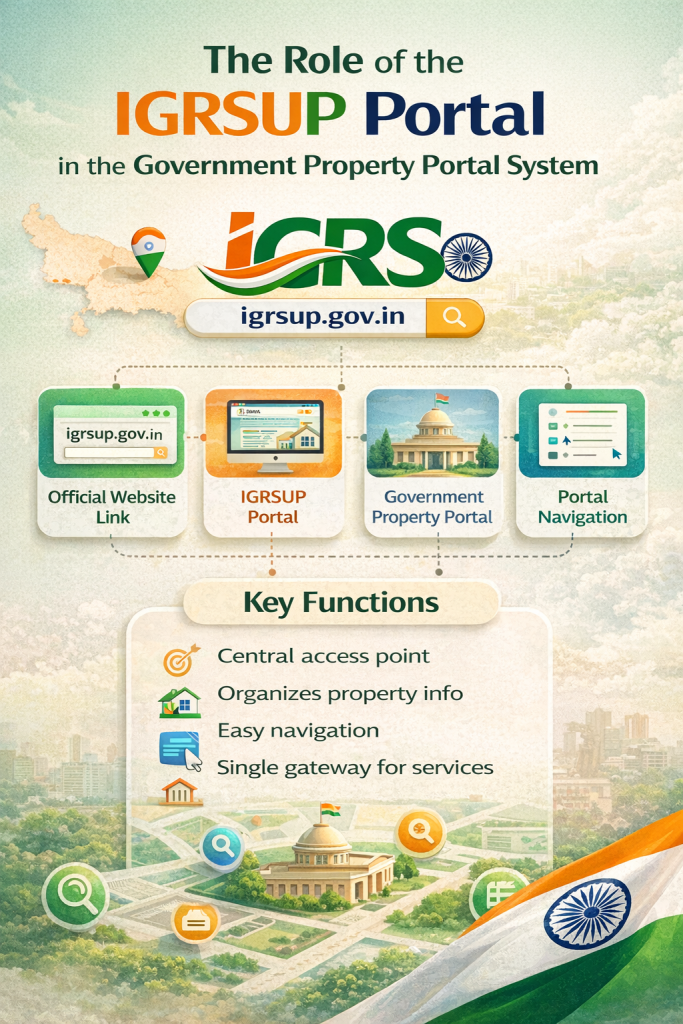
The IGRSUP Portal works as a central access point within the Government Property Portal system of Uttar Pradesh. This portal organizes various information pages and service sections so that users can reach them from one website.
When someone opens igrsup.gov.in, the portal displays links and service pages connected to registration and property related information. Because of this structure, users do not need to search multiple websites for the same topic.
The main purpose of the Government Property Portal is to provide a structured website where official pages can be accessed online. Therefore, the IGRSUP Portal acts as the gateway that connects users to these pages.
For example, a visitor might want to check information or view records available on the portal. Instead of going to different offices, the user can simply open the website and use the navigation system to reach the required page.
The table below shows the main elements that work together inside the portal system.
| Component | Function |
|---|---|
| IGRSUP Portal | Main website that hosts services and information pages |
| Government Property Portal | Official system that organizes property related information |
| Online Portal | Digital access method through the website |
| igrsup.gov.in | Official website link used to access the portal |
| Portal Navigation | Interface used to move between pages |
Because these parts work together, the portal becomes easier to use. Users only need the Official Portal Link to start browsing the system.
Also, the portal keeps information structured so visitors can move from one page to another without confusion. For instance, someone may begin on the home page and then move to another page using the navigation options.
Another helpful feature is that the portal organizes content clearly. Therefore, users can locate information without scrolling endlessly through unrelated pages.
Of course, every online portal has a learning curve. However, the IGRSUP Portal keeps things fairly straightforward. Even a new visitor usually understands the layout within a few minutes.
And honestly, if a person can open a website and click a link, they can probably use this portal without much trouble. Even a curious student who just wanted to see how government websites look could manage it.
How does igrsup.gov.in function as the Online Portal for website access?
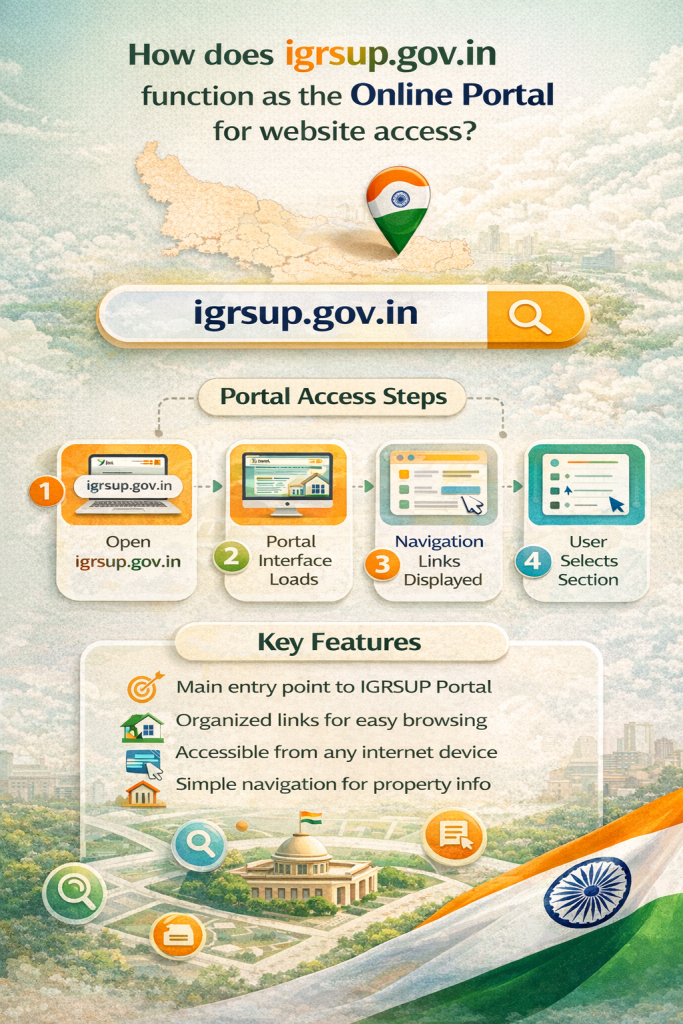
The website igrsup.gov.in works as the official Online Portal that connects users to the IGRSUP Portal system. This website serves as the main entry point where visitors begin their interaction with the portal.
When users type the website address into their browser, the system loads the portal interface. From there, the site provides links that guide users to different pages. Because of this structure, the portal remains organized and easy to browse.
The Online Portal allows users to access information from anywhere with an internet connection. Instead of visiting offices for basic information, people can open the website and navigate through the pages.
Furthermore, the website structure keeps everything grouped logically. Users move through pages using Portal Navigation, which connects the main sections of the site.
Below is a simple overview of how the portal operates.
| Step | Action |
|---|---|
| 1 | User opens the website address igrsup.gov.in |
| 2 | The portal interface loads on the screen |
| 3 | Navigation links appear on the page |
| 4 | User selects a section from the portal |
| 5 | The system displays the requested page |
Because of this process, the website acts as the digital access route to the Government Property Portal system.
Another useful point is that the portal keeps its layout structured. Visitors can quickly understand which page to open next. Therefore, the system avoids unnecessary confusion.
Also, the website works on most browsers and devices. Whether someone opens it on a laptop or a mobile phone, the portal still loads the main pages.
Sometimes visitors click the wrong link by accident. It happens to everyone, even experienced users. Fortunately, the portal navigation makes it easy to return to the previous page.
So while the portal may look official and serious, using it is usually quite simple. After all, a website should not feel like solving a math exam.
How can users access the IGRSUP Portal through igrsup.gov.in Official Portal Link?
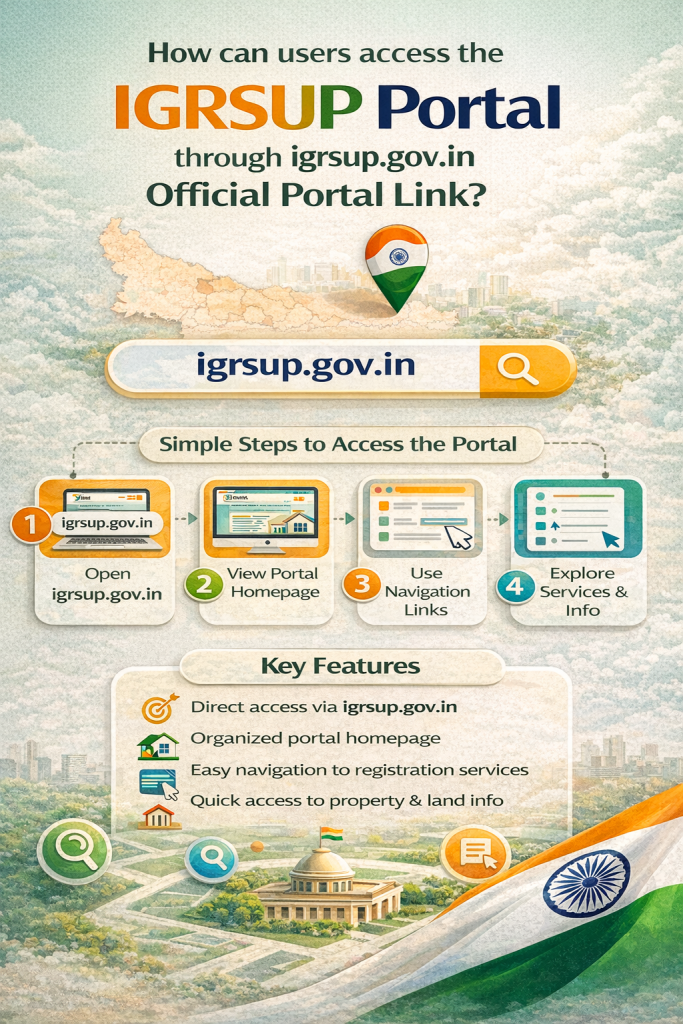
Accessing the IGRSUP Portal usually starts with the Official Portal Link of igrsup.gov.in. Users only need a browser and an internet connection to open the portal.
Once the website loads, the system shows the main interface where users can move to different pages. Because the portal is structured clearly, visitors can identify sections without difficulty.
Many people reach the portal through search results or direct website entry. Regardless of the method, the final step remains the same. The user lands on the official portal page.
The table below shows common ways people reach the portal.
| Method | Description |
|---|---|
| Direct Website Entry | User types igrsup.gov.in in browser |
| Official Portal Link | User clicks the link from a website |
| Search Result | User opens the portal from search engine |
After opening the site, the next step usually involves browsing through the Portal Navigation system. From there, users can explore different sections available on the portal.
Also, the portal provides structured menus that help visitors understand where each page leads. Therefore, finding the correct section usually takes only a few clicks.
Sometimes new users hesitate before opening government websites. They worry the interface might be difficult. However, the IGRSUP Portal interface remains quite manageable.
And honestly, once the portal loads, the hardest part is deciding which page to open first. Everything else mostly works with simple clicks.
What is the Portal Home Page on igrsup.gov.in?
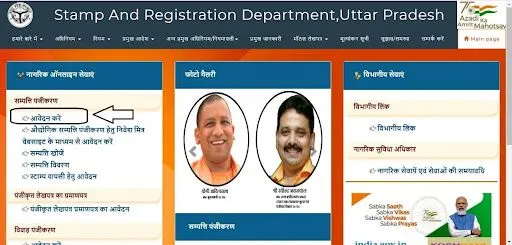
The Portal Home Page is the first page that appears when someone opens igrsup.gov.in. This page acts as the starting point for browsing the IGRSUP Portal.
The home page normally contains links to different sections of the portal. These links allow users to move toward service pages and information sections.
Because the home page works as the main gateway, it displays important navigation elements. These elements guide visitors to the next step inside the portal.
The following table shows the typical purpose of the portal home page.
| Home Page Element | Purpose |
|---|---|
| Portal Links | Direct users to different sections |
| Navigation Menu | Helps users move across the website |
| Portal Access Options | Provides entry to service pages |
| Information Panels | Displays general portal information |
Another reason the home page matters is that it organizes the portal layout. Users can immediately see where different sections are located.
Also, the design keeps the layout structured so that visitors do not get confused while browsing the site.
Sometimes visitors simply check the home page to understand how the portal works. Even without opening other pages, the layout gives a clear idea of the system.
Of course, people sometimes click random links just to see what happens. That is part of human curiosity. Thankfully, the portal home page always allows users to return and start again.
What is the Default Action Page on the IGRSUP Portal?
The Default Action Page is a page that loads automatically when certain portal links are opened. This page acts as a system entry point that directs users to the next step within the portal.
When users click specific links inside igrsup.gov.in, the portal may route them through the default page. This helps the system organize how pages open within the portal structure.
The Default Action Page also supports the internal workflow of the portal. Because many sections are connected to the same system, the page acts as a central starting point for some actions.
Below is a simple explanation of how this page works.
| Function | Purpose |
|---|---|
| System Entry Page | Starts a portal process |
| Link Redirection | Sends users to the next page |
| Portal Routing | Keeps navigation organized |
Therefore, the page is part of the technical structure of the IGRSUP Portal. Although users may not always notice it, the system relies on this page to manage page loading.
Sometimes visitors see this page when they open certain links directly. Other times it works quietly in the background.
The important point is that the page helps the portal run smoothly. Without it, links might not connect correctly across the system.
Even though the name sounds complicated, the concept is simple. It just tells the portal where to send the user next.
What is the Portal Dashboard and how does Portal Navigation work?
The Portal Dashboard represents the main interface that displays sections and options available within the IGRSUP Portal. This area allows users to view links and move toward different parts of the website.
Meanwhile, Portal Navigation refers to the system that connects pages together. It includes menus, links, and interface elements that guide users from one page to another.
When users open igrsup.gov.in, they usually start from the home page and then move toward the dashboard sections. From there, they can continue browsing the portal.
The table below explains the difference between the two.
| Element | Purpose |
|---|---|
| Portal Dashboard | Shows main sections and portal features |
| Portal Navigation | Connects pages and allows movement across the website |
Because of these two features, the portal remains organized and easy to use. Visitors can follow clear paths between pages.
Also, navigation menus help users avoid confusion. Each link points toward a specific section of the portal.
Sometimes users click around the dashboard simply to understand how the system works. That is perfectly normal.
After all, when people see a big website full of links, curiosity usually wins. And a few clicks later, they suddenly know the whole portal layout.
How does the New Site improve website access on the IGRSUP Portal?
The New Site on the IGRSUP Portal focuses on improving website access and usability. Many government websites used to feel slow or confusing. However, the updated structure helps users reach important pages more easily.
First, the new version organizes the layout in a clearer way. Users can move across sections without getting lost. Because of this structure, visitors quickly understand where each page is located.
Another improvement is the simplified interface. The Online Portal now displays links and sections in a more readable format. Therefore, users can open services with fewer clicks.
Also, the updated design works better on different devices. People often open igrsup.gov.in on phones as well as computers. The portal adjusts the layout so the pages remain readable on smaller screens.
Below is a simple comparison between older website structures and the improved portal structure.
| Feature | Earlier Structure | New Site Improvement |
|---|---|---|
| Page Layout | Multiple scattered links | Organized portal sections |
| Website Access | Harder to locate pages | Clear interface |
| Device Support | Mostly desktop oriented | Works on mobile and desktop |
| User Experience | Confusing for new visitors | Easier browsing |
Because of these changes, visitors spend less time searching for information. They can open the portal, scan the page, and move toward the correct section.
In addition, the improved layout reduces frustration for first time visitors. Many people visit the portal only occasionally. A simple design helps them understand the system faster.
Sometimes users still click the wrong link. That happens everywhere on the internet. Luckily the IGRSUP Portal allows users to move back easily and choose another section.
So the main goal of the New Site is simple. It helps people reach portal pages quickly without unnecessary confusion.
How does Portal Navigation help users use the Online Portal?
Portal Navigation plays an important role in helping visitors move across the Online Portal. Without navigation menus, a website would feel like a maze with no signs.
On the IGRSUP Portal, navigation menus connect different sections of the site. These menus appear on pages so users can move to other parts of the portal easily.
For example, a visitor may start from the main page and then open another section. Because navigation links are visible, the user can move between pages without restarting the search.
The table below explains common navigation elements inside the portal.
| Navigation Element | Purpose |
|---|---|
| Main Menu | Displays major portal sections |
| Section Links | Opens related pages |
| Page Links | Allows movement between pages |
| Back Navigation | Helps users return to previous page |
Because of this system, visitors can browse the portal in a structured way. Each section connects logically to the next one.
In addition, navigation menus reduce the chances of confusion. When a visitor finishes reading one page, the menu shows where to go next.
Another benefit is that users do not need advanced technical knowledge. Even someone opening the site for the first time can understand how to move around.
Sometimes people click through several pages just to learn how the portal works. That is completely normal. Curiosity often helps users become familiar with the website.
Also, the navigation layout prevents the site from feeling crowded. Instead of displaying everything on one page, the portal organizes sections through links.
Because of this design, the Online Portal remains simple to browse. Visitors can locate information faster and move across the website without difficulty.
How can users find services using the Government Property Portal interface?
The Government Property Portal interface helps users locate different services through structured sections and links. Instead of searching randomly, visitors can follow the layout of the portal.
When someone opens the portal, the interface shows several links and menus. These options guide users toward the correct page based on what they need.
For example, the interface may display service categories or information sections. A user simply clicks the relevant link to open the page.
The system also organizes information in clear sections. Because of this structure, users do not need to scan the entire website.
Below is a simplified overview of how services appear within the portal interface.
| Interface Element | Function |
|---|---|
| Service Section | Displays available services |
| Portal Links | Opens specific pages |
| Navigation Menu | Helps users move across sections |
| Information Panels | Shows portal related information |
Because the interface follows a logical structure, visitors can understand it quickly. Even a person opening the site for the first time usually finds the layout manageable.
Another helpful feature is the clear placement of links. Instead of hiding pages behind complicated menus, the portal shows them directly.
Also, the interface supports both quick browsing and careful reading. Some users simply open a page to check information. Others take time to read each section carefully.
Sometimes visitors open multiple pages just to understand how everything connects. That behavior is quite common.
After all, when someone visits a government website, curiosity often takes over. People want to see what information is available.
The Government Property Portal interface makes this process easier. Users can follow the links and locate the correct service without unnecessary confusion.
What is IGRSUP Login and how does the Login Portal work?
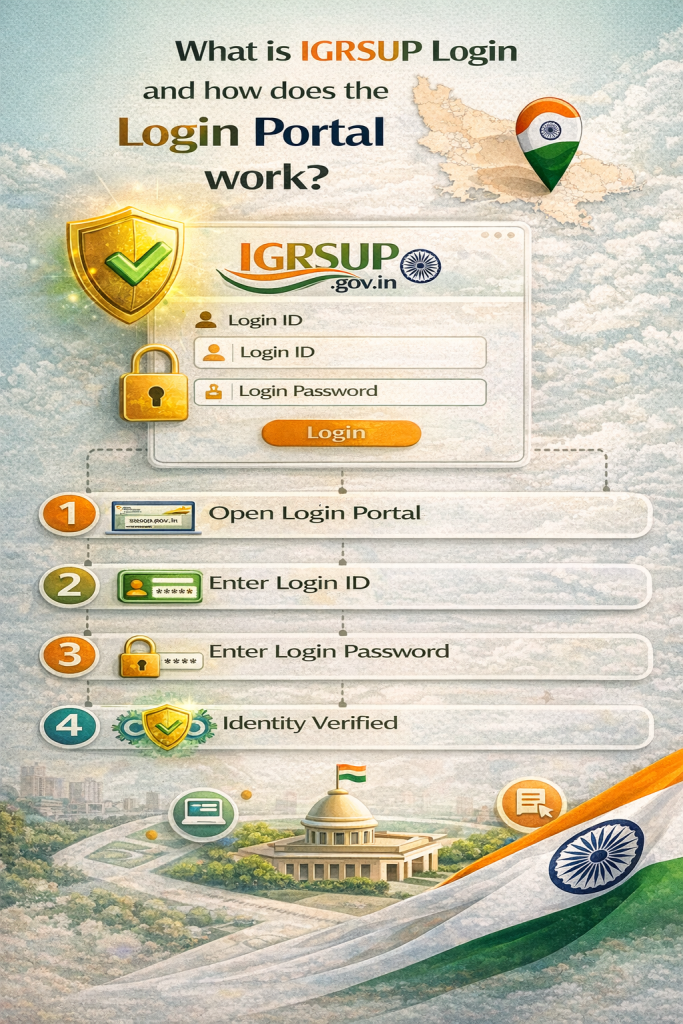
IGRSUP Login allows users to access specific sections of the portal through a secure Login Portal. While some pages remain open for everyone, other areas require user authentication.
The login system works through an Authentication System. This system verifies the identity of users before allowing access to certain portal features.
When someone wants to log in, they open the login page of the portal. The page displays fields where the user enters their Login ID and Login Password.
After entering these details, the system checks the information. If the credentials match the stored records, the portal grants access to the account.
The table below shows how the login process works.
| Step | Action |
|---|---|
| 1 | User opens the Login Portal |
| 2 | User enters Login ID |
| 3 | User enters Login Password |
| 4 | Authentication System verifies details |
| 5 | User gains access to portal account |
Because of this process, the portal protects account based services from unauthorized access.
Also, the login system helps manage user activities within the portal. Each account connects to specific permissions and features.
Some users log in regularly to access portal features. Others may use the login system only occasionally.
Of course, forgetting a password happens to almost everyone at some point. Fortunately, the portal provides options to recover access when that occurs.
Overall, the IGRSUP Login system keeps the portal secure while allowing users to manage their accounts easily.
How does Portal Login work in the Online Login Panel?
The Portal Login system operates through an Online Login Panel. This panel appears on the login page where users enter their account details.
The panel usually contains two main fields. One field asks for the Login ID, and the other asks for the Login Password.
After entering the required details, the user submits the form. The Authentication System then verifies the information against stored account records.
Below is a basic representation of the login panel components.
| Login Panel Element | Purpose |
|---|---|
| Login ID Field | Allows user to enter account ID |
| Login Password Field | Accepts account password |
| Login Button | Submits credentials |
| Password Recovery Link | Helps users regain access |
Because the login panel is simple, users usually complete the process quickly. Most visitors only need a few seconds to enter their credentials.
Another useful feature is the password recovery option. If someone forgets their password, the panel provides a way to restore access.
Also, the system prevents unauthorized login attempts by verifying account details carefully.
Sometimes users type their password incorrectly. That situation happens often, especially when typing quickly.
Fortunately, the login panel allows users to try again until the correct credentials are entered.
What are Login ID and Login Password in the Authentication System?
The Login ID and Login Password are the main credentials used in the Authentication System. These two elements confirm that the person accessing the portal is the correct account holder.
The Login ID acts as the account identifier. Each user receives a unique ID when creating an account on the portal.
Meanwhile, the Login Password acts as the security key. Only the account owner should know this password.
The table below explains the role of both credentials.
| Credential | Function |
|---|---|
| Login ID | Identifies the user account |
| Login Password | Verifies account access |
When users enter both details correctly, the system grants access to the portal account.
Because of this design, unauthorized users cannot access accounts without the correct credentials.
Also, the authentication system protects sensitive account actions. This helps maintain the security of the portal.
Sometimes users forget their password or type it incorrectly. Luckily, the system provides recovery options to restore access.
After all, even careful people forget passwords occasionally. It happens more often than most admit.
How can users access User Login, Officer Login, Office Login, Agency Login, and Department Login?
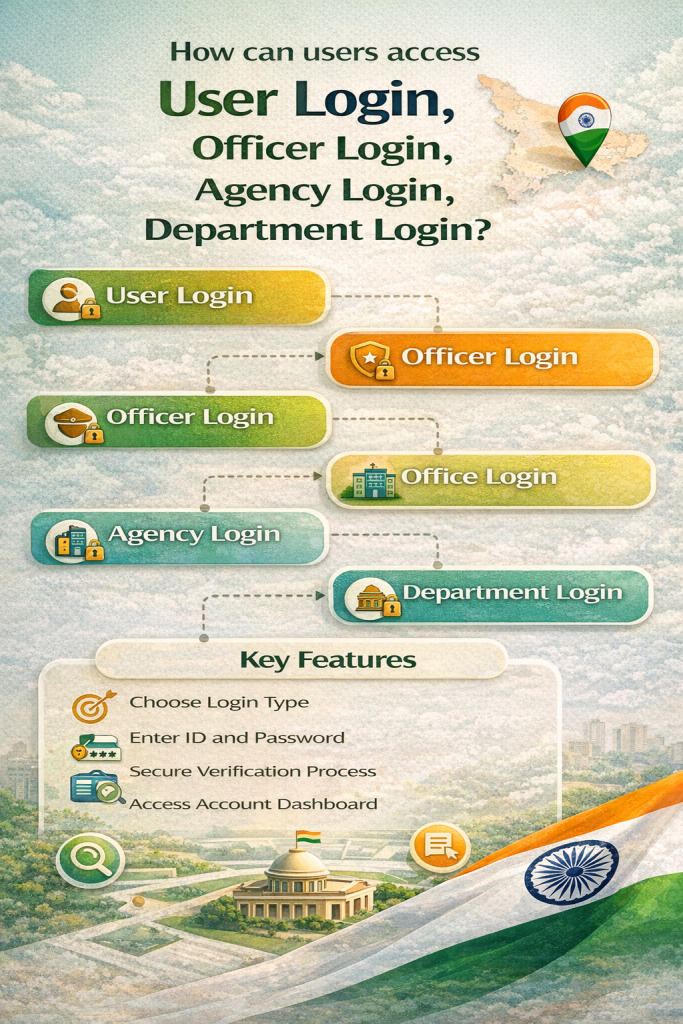
The IGRSUP Portal offers several login options depending on the type of user. Each option connects to a specific category within the portal system.
For example, a normal visitor may use User Login. Meanwhile, administrative staff may use Officer Login or Department Login.
These login types help separate responsibilities within the system. Because of this structure, each user group receives access to appropriate sections.
The table below explains the different login categories.
| Login Type | Purpose |
|---|---|
| User Login | Access for general users |
| Officer Login | Access for official staff |
| Office Login | Used within office systems |
| Agency Login | Used by authorized agencies |
| Department Login | Used by departmental staff |
When users select the correct login option, they enter their credentials in the login panel. After verification, the system opens the account dashboard.
Because of these login categories, the portal manages different users efficiently.
Also, the separation prevents unauthorized access to administrative features.
Sometimes users select the wrong login option by mistake. In that case, they simply return to the login page and choose the correct one.
Fortunately, the portal interface keeps the login options clearly visible.
How does the User Account system work on the Login Portal?
The User Account system connects each registered user to their personal portal access. Once a user logs in, the system loads account specific pages.
A user account stores important details required for authentication. These details include the Login ID and Login Password.
Because each account remains unique, the portal can identify users individually.
The following table shows the components of a typical user account.
| Account Component | Function |
|---|---|
| Login ID | Identifies the user |
| Login Password | Protects account access |
| Authentication System | Verifies credentials |
| Login Portal | Entry point for account access |
After logging in, the user can move across portal pages according to account permissions.
Also, the portal maintains the session while the user remains active.
If the user logs out or closes the browser, the system ends the session automatically.
Sometimes users forget to log out after finishing their work. However, the system eventually closes inactive sessions.
What is the difference between User Login and Officer Login?
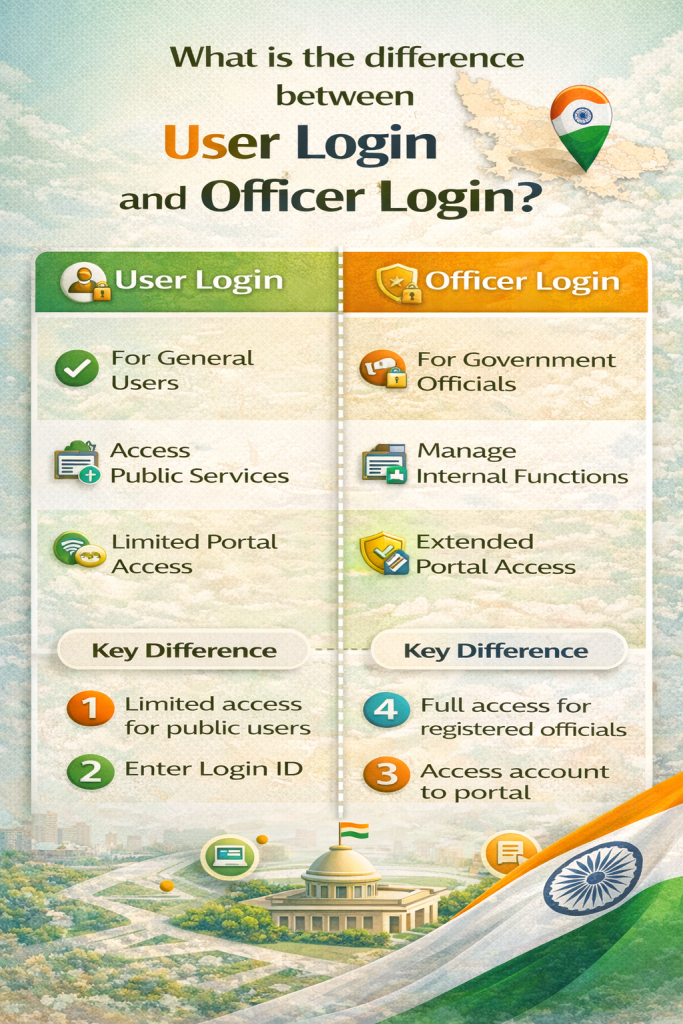
User Login and Officer Login serve different purposes within the portal system.
User Login is designed for general visitors who have created accounts on the portal. These users access basic account features available to the public.
Meanwhile, Officer Login is meant for official staff connected with the department. This login type usually connects to administrative sections of the portal.
The table below explains the difference clearly.
| Login Type | Intended User |
|---|---|
| User Login | General portal users |
| Officer Login | Official staff members |
Because of this separation, the portal maintains proper access control.
Users cannot enter administrative sections through a normal login account.
Also, the system keeps official operations protected from unauthorized access.
Sometimes people confuse the two login options. However, the portal labels them clearly on the login page.
Once users select the correct option, they can proceed with the login process normally.
How can users create a User Account using Sign Up and Sign In?
Creating a User Account usually starts with the Sign Up option on the portal. This option allows new users to register their details within the system.
During registration, the portal asks for basic account information. After submitting the form, the system creates a new account connected to the user’s Login ID and Login Password.
Once registration is complete, the user can access the portal through Sign In.
The following table explains the steps.
| Step | Action |
|---|---|
| 1 | User selects Sign Up |
| 2 | User submits registration details |
| 3 | System creates User Account |
| 4 | User accesses portal through Sign In |
Because of this process, new visitors can quickly create portal accounts.
Also, the sign in option allows returning users to access their accounts easily.
Sometimes people forget they already created an account. In that case, they simply use the password recovery option.
After all, remembering every online account is not always easy.
What is the process for Password Reset and Forgot Password?
The Password Reset option helps users recover access to their account when they forget their password.
When someone selects Forgot Password, the system opens the password recovery page. This page guides the user through steps to verify account ownership.
After verification, the portal allows the user to create a new password.
The table below shows the general process.
| Step | Action |
|---|---|
| 1 | User selects Forgot Password |
| 2 | System verifies account identity |
| 3 | User enters a new password |
| 4 | Account access is restored |
Because of this process, users do not lose access to their accounts permanently.
Also, the system prevents unauthorized password changes by verifying identity first.
Sometimes people forget their password after a long break from the portal. Luckily, the recovery process solves this problem quickly.
How does the Authentication System protect Login ID and Login Password?
The Authentication System protects account credentials by verifying every login attempt.
Whenever someone enters their Login ID and Login Password, the system checks the information against stored records.
If the credentials match, the user receives access to the portal account. If they do not match, the system denies access.
Below is a simplified explanation of the security process.
| Security Step | Function |
|---|---|
| Credential Entry | User enters Login ID and Login Password |
| Verification | Authentication System checks credentials |
| Access Control | System grants or denies access |
Because of this verification process, unauthorized users cannot access accounts easily.
Also, the system prevents login attempts with incorrect credentials.
Sometimes users make typing mistakes while entering their password. The system simply asks them to try again.
After all, even experienced users occasionally hit the wrong key. It happens more often than anyone admits
What is Property Search and how does the Property Search Portal work?
Property Search helps users find information related to a property through the Property Search Portal. This system works as part of the portal where users can locate records stored in the Property Database. Instead of checking documents manually, users can search details through the portal interface.
The Property Search Portal organizes property related information so users can locate records quickly. Once a user opens the portal search page, the system displays search options connected to the Property Database. These options guide users to the correct information.
The process usually begins when a user selects a search method. After entering the required information, the system scans the Property Database and shows the results.
The following table explains how the property search process works.
| Step | Action |
|---|---|
| 1 | User opens Property Search Portal |
| 2 | User enters search information |
| 3 | Portal checks Property Database |
| 4 | System displays Property Record results |
Because the portal organizes information clearly, users can access property data without visiting multiple offices. Also, the search system reduces the time required to locate records.
Sometimes users repeat the search if they enter incorrect information. That situation happens frequently, especially when spelling a name incorrectly. Thankfully, the portal allows users to try again without restarting the entire process.
The Property Search Portal therefore acts as a central place where property related records are organized and displayed.
What is Sampatti Khoje and Sampatti Vivaran in the Property Database?
Sampatti Khoje refers to the process of searching property information within the Property Database. Meanwhile, Sampatti Vivaran refers to the details connected to that property.
When users perform Sampatti Khoje, the system checks the stored records and identifies matching entries. After the search is completed, the portal displays Sampatti Vivaran on the screen.
These details usually appear as part of the Property Record displayed by the portal. Because the information is stored in the Property Database, the system retrieves it quickly.
The table below explains the difference between the two terms.
| Term | Meaning |
|---|---|
| Sampatti Khoje | Property search process |
| Sampatti Vivaran | Property information shown in results |
Through this process, users can understand the basic details linked to a property record. The portal organizes this information clearly so visitors can read it easily.
Sometimes users perform several searches to confirm information. For example, they may check multiple entries to make sure they selected the correct property.
Although the names may sound unfamiliar to some users, the idea behind them is simple. One part searches the record, while the other part shows the details.
What information is available in Property Details and Property Record?
Property Details and Property Record display information stored inside the Property Database. These records provide information connected to specific property entries.
When users open a Property Record, the portal shows the available Property Details associated with that record. These details help users understand the property information stored in the system.
The portal typically displays the data in an organized format so users can read it easily. Each record represents a stored entry within the database.
Below is a simplified example of what may appear within a property record.
| Record Field | Description |
|---|---|
| Property Information | Basic property data |
| Ownership Information | Details connected to property ownership |
| Registration Information | Data linked to property registration |
| Record Reference | Entry stored in Property Database |
Because the portal organizes the records clearly, users can view the information without confusion.
Sometimes users review several records before finding the correct one. This happens when properties share similar names or locations.
Fortunately, the Property Search Portal allows users to open and review multiple records easily.
Even though reading official records may sound serious, the process itself is quite simple. It mostly involves clicking the correct entry and reading the information displayed.
How does Property Search by Name work in the Property Lookup system?
Property Search by Name allows users to locate property records using a name based search method. This feature works through the Property Lookup system inside the portal.
Instead of entering complicated details, users can search the Property Database using a name field. The system then scans stored records and displays matching entries.
This search method helps users locate information quickly when they know the relevant name connected to a property.
The process usually follows these steps.
| Step | Action |
|---|---|
| 1 | User opens Property Lookup system |
| 2 | User selects Property Search by Name |
| 3 | User enters the name |
| 4 | System scans Property Database |
| 5 | Matching Property Record appears |
Because this method uses simple search input, users often prefer it when checking property records.
Sometimes users need to try different spellings before finding the correct record. Names can appear in several formats within databases.
However, the search system allows repeated attempts. Therefore, users can refine the search until the correct record appears.
Even though databases sound technical, the Property Lookup system works in a straightforward way. Users type a name, press search, and read the results.
How does Property Search by Seller help verify Property Ownership?
Property Search by Seller helps users review property records connected to a seller’s name. This search option works within the Property Lookup system of the portal.
When a user enters the seller’s name, the system checks the Property Database for matching entries. If records exist, the portal displays them on the results page.
Because these results show Property Ownership information, users can verify whether the property appears in the records.
The search method follows a simple process.
| Step | Action |
|---|---|
| 1 | User selects Property Search by Seller |
| 2 | User enters seller name |
| 3 | System checks Property Database |
| 4 | Property Record results appear |
Through this method, users can confirm whether the seller appears in property records stored in the database.
Sometimes multiple results appear for the same name. In that situation, users review each record carefully.
Although the process sounds serious, the search itself only takes a few moments. Most of the time the system responds quickly once the name is entered.
How does Property Search by Buyer help verify Property Registration Data?
Property Search by Buyer allows users to locate records connected to a buyer’s name. This option works inside the Property Lookup system of the portal.
When users perform this search, the system checks the Property Registration Data stored in the database. If the buyer appears in the records, the portal displays matching entries.
These results help users view information linked to the buyer within the Property Record.
The search process works in a similar way to other search methods.
| Step | Action |
|---|---|
| 1 | User selects Property Search by Buyer |
| 2 | User enters buyer name |
| 3 | System scans Property Registration Data |
| 4 | Matching records appear |
Because the system checks stored records, users can review available entries related to the buyer.
Sometimes the same buyer name appears in multiple records. In that case, users examine each entry carefully.
The system allows users to open records individually. Therefore, reviewing the data becomes easier.
How do Bhulekh, Land Record, and Khatauni connect with Property Search?
Bhulekh, Land Record, and Khatauni connect with Property Search because they all relate to property information stored within official systems.
These systems contain records connected to land and property ownership. When property information is searched, these records may support the data displayed.
For example, Land Record systems maintain information related to land ownership. Meanwhile, Khatauni contains records connected to land entries.
The relationship between these systems can be summarized as follows.
| System | Purpose |
|---|---|
| Bhulekh | Access land related records |
| Land Record | Store property and land information |
| Khatauni | Maintain land entry records |
| Property Search | Locate property information |
Because these systems share related information, users may see connections between them while reviewing property records.
Sometimes people check multiple sources to confirm information. This approach helps verify whether the records match across systems.
Although the names of these systems may appear technical, their function is straightforward. They simply store property and land related records.
How do Land Property Record systems support Property Ownership verification?
Land Property Record systems store information connected to land and property ownership. These records help confirm Property Ownership within official databases.
When users search for property information, the system checks stored records to identify matching entries. If the ownership information appears in the database, the portal displays it.
The following table explains the role of land property records.
| Record Type | Purpose |
|---|---|
| Land Property Record | Stores ownership information |
| Property Record | Displays property details |
| Property Ownership | Identifies the property owner |
Because these records are stored in organized databases, the system can retrieve them quickly.
Sometimes users cross check multiple records to confirm ownership information. This process helps verify whether the property information matches across records.
Although the databases contain many records, the portal helps users locate information using search options.
What is Registry Index and how does Property Index work?
The Registry Index is a system that organizes records connected to registered documents. This index helps users locate entries stored in the Registry Database.
A Property Index works as a reference system inside the registry records. It connects registered documents to specific entries stored in the system.
When a document is registered, the information becomes part of the Registry Database. The index allows users to locate that record easily.
The following table explains the role of these components.
| Component | Function |
|---|---|
| Registry Index | Organizes registered document entries |
| Property Index | Links property related entries |
| Registry Database | Stores registry records |
Because the index system organizes the database, users can search records without scanning every entry manually.
Sometimes users check the index first before opening the complete record. This step helps them confirm that the correct document exists in the system.
What is Index Search in the Registry Database?
Index Search allows users to locate entries within the Registry Database using search options.
Instead of browsing records manually, the system uses indexed entries to locate the correct record quickly.
When a user performs Index Search, the system scans the database index and identifies matching entries.
The search process follows a simple structure.
| Step | Action |
|---|---|
| 1 | User opens Index Search |
| 2 | User enters search information |
| 3 | System scans Registry Database |
| 4 | Matching Registry Record appears |
Because the index organizes records systematically, the portal can locate entries efficiently.
Sometimes users need to repeat the search if the information entered is incomplete. Fortunately, the portal allows multiple search attempts.
How does Index Search by Name help find Registry Record?
Index Search by Name allows users to locate a Registry Record using a name based search method.
When the user enters a name, the system checks the Registry Database index for matching entries.
If records exist under that name, the portal displays them on the search results page.
The following table explains the search process.
| Step | Action |
|---|---|
| 1 | User selects Index Search by Name |
| 2 | User enters name |
| 3 | System scans Registry Database |
| 4 | Registry Record results appear |
Because the system organizes entries through indexes, name based searches become easier.
Sometimes several records appear under the same name. In that case, users open each record to identify the correct one.
What is the Registry Index List and how is Registry Record PDF used?
The Registry Index List contains organized entries connected to registered documents stored in the system.
Users can review this list to locate the correct Registry Record before opening the full document.
In many cases, the portal provides access to Registry Record PDF files. These files contain digital copies of registry records.
The table below explains their role.
| Component | Purpose |
|---|---|
| Registry Index List | Displays indexed registry entries |
| Registry Record PDF | Shows digital copy of record |
Because the list organizes records clearly, users can locate the correct document quickly.
Sometimes users download the PDF file to review the information carefully.
What information is included in Registry Document and Registry Database?
A Registry Document contains information connected to a registered record. These documents are stored within the Registry Database.
The database maintains entries for multiple registry records.
The following table shows typical information found in registry documents.
| Information Type | Description |
|---|---|
| Document Entry | Registry document reference |
| Registration Data | Information connected to registration |
| Record Reference | Entry within Registry Database |
Because the database organizes documents systematically, users can locate records using the portal search tools.
What is the difference between Registry Index and Registry Record?
The Registry Index and Registry Record serve different purposes in the registry system.
The index acts as a reference system that organizes document entries. Meanwhile, the record contains the actual registered information.
The difference can be explained clearly in the table below.
| Element | Purpose |
|---|---|
| Registry Index | Helps locate document entries |
| Registry Record | Contains registered document data |
Because of this structure, users first locate the entry through the index and then open the full record.
What is Pre-Registry Index and Historical Registry Data?
The Pre-Registry Index contains entries connected to earlier registry records. These entries help organize Historical Registry Data stored in the system.
Older registry documents are often stored separately from newer entries. The index helps users locate them when needed.
The following table explains the concept.
| Term | Meaning |
|---|---|
| Pre-Registry Index | Index for earlier registry entries |
| Historical Registry Data | Older registry records stored in database |
Because the system maintains these records, users can access information connected to earlier entries.
How can users access Historical Registry Data in the Registry Database?
Users can access Historical Registry Data through search tools available in the Registry Database.
When users perform a search using the index system, the portal checks both current and earlier records.
If historical entries exist, the portal displays them in the results.
The search process works in a simple sequence.
| Step | Action |
|---|---|
| 1 | User opens Registry Database search |
| 2 | User enters search information |
| 3 | System scans Historical Registry Data |
| 4 | Matching records appear |
Because the system maintains earlier entries, users can review records stored from past registrations.
Sometimes reviewing older records requires patience because multiple entries may appear. However, the search system helps locate them quickly.
What is Property Registration and how does the Registration Department manage the Registration Portal?
Property Registration refers to the official process where property related documents are recorded within the system. This process takes place through the Registration Department.
The Registration Portal helps organize this process digitally. Through the portal interface, users can access pages connected to registration related information.
Once documents are recorded in the system, the information becomes part of the official record.
The following table explains the main components.
| Component | Purpose |
|---|---|
| Property Registration | Official record of property document |
| Registration Department | Authority responsible for registration |
| Registration Portal | Online system used to access information |
Because the portal organizes these records digitally, users can access related information through the portal.
What is Document Registration in the Online Registration System?
Document Registration refers to the process where documents are entered into the Online Registration System.
Once a document is registered, the system records the information within the Registration Record.
The process usually involves verifying document details before recording them in the system.
The following table explains the process.
| Step | Action |
|---|---|
| 1 | Document submitted for registration |
| 2 | Information verified |
| 3 | Entry created in Online Registration System |
| 4 | Registration Record generated |
Because of this system, the portal maintains a record of registered documents.
What services are included in Registry Services?
Registry Services include functions related to managing registry records within the portal system.
These services help maintain records connected to Property Registration and Registration Record entries.
The following table explains some registry service functions.
| Service | Purpose |
|---|---|
| Document Record | Stores registered documents |
| Registry Database Entry | Maintains registry records |
| Registration Record Access | Allows viewing stored records |
Because of these services, the portal keeps registry information organized.
How does Property Registry support Property Ownership Transfer?
The Property Registry helps record changes connected to Property Ownership Transfer.
When ownership of a property changes, the relevant document is registered within the system.
Once the registration process is completed, the Registration Record reflects the updated ownership information.
The process can be summarized as follows.
| Step | Action |
|---|---|
| 1 | Ownership transfer document submitted |
| 2 | Document registered |
| 3 | Registration Record updated |
Because the registry system records these updates, property ownership information remains organized within the database.
What information is stored in Registration Record and Property Registration Database?
A Registration Record stores information connected to registered property documents.
These records are maintained inside the Property Registration Database.
The following table explains the types of information stored.
| Information Type | Description |
|---|---|
| Document Entry | Registered document reference |
| Registration Data | Information linked to registration |
| Ownership Data | Details connected to ownership |
Because the database stores these records systematically, users can access them through portal search tools.
How does the Online Registration System manage Property Ownership Details?
The Online Registration System manages Property Ownership Details by storing registration records in the database.
When a property document is registered, the system updates the database with the ownership information.
This process helps maintain organized records connected to property ownership.
The system works through a simple structure.
| System Component | Function |
|---|---|
| Online Registration System | Stores registration data |
| Registration Record | Contains property information |
| Property Ownership Details | Identifies ownership information |
Because of this system, property ownership data remains accessible through the portal database.
Sometimes users check these records to confirm property information. The system allows them to locate entries through the search tools available on the portal.
What is Circle Rate and why is it important for Property Valuation?
Circle Rate is the minimum property value set by the Stamp Department for property transactions. This rate is used as a reference for calculating the official value of land or property during registration.
Because property prices can vary across locations, the government sets a Government Property Rate through the circle rate system. This rate helps determine the base value for property related calculations.
When a property is registered, the Property Valuation cannot go below the circle rate. If someone declares a lower value, the system still considers the minimum rate defined by the authority.
For example, if the market price of a property is higher than the circle rate, the transaction may still use the declared price. However, if the declared value is lower than the circle rate, the official system will apply the circle rate.
This system helps maintain consistency in property valuation. Because of this rule, property transactions follow a standard structure across different locations.
Another reason the circle rate matters is that it affects the calculation of official charges during property registration. When the rate increases or decreases, the overall valuation of property transactions can also change.
Sometimes people confuse market value with circle rate. Market value depends on demand and location, while the circle rate is the minimum official value used by the system.
In simple terms, the Circle Rate works as the starting point for property valuation during registration.
What is the role of Stamp Department in determining Stamp Rate?
The Stamp Department plays an important role in setting the Stamp Rate used during property registration. This department manages the policies related to property registration charges.
When a property transaction takes place, certain charges apply to the registration process. These charges depend on the Stamp Rate defined by the department.
The department periodically reviews property valuation patterns across regions. Based on these observations, the department may revise the stamp rate or related rules.
Because property values change over time, the department updates the rates when necessary. These updates help maintain consistency between property valuation and registration charges.
Another responsibility of the Stamp Department involves maintaining the official records connected to property valuation rules. These rules guide the calculation of charges applied during document registration.
Sometimes people assume that stamp rate and circle rate are the same. However, both serve different roles. Circle rate defines minimum property value, while stamp rate determines the charge applied during registration.
The department also publishes information related to property valuation systems. This helps users understand how charges are calculated during property registration.
Overall, the Stamp Department manages the policies and rates connected to property registration charges.
What is Mulyankan Suchi and how is Rate List used?
Mulyankan Suchi refers to the valuation reference used to determine the value of property during registration. It provides guidance for calculating property value within the official system.
A Rate List contains the values assigned to different property categories or locations. This list helps determine the official value used for registration purposes.
When someone checks the rate list, they can identify the applicable value for a property. Because of this information, users can estimate property valuation more easily.
The rate list helps maintain consistency in property valuation across different areas. Without such lists, property values could vary widely during registration.
Another advantage of the rate list is that it provides transparency. Users can review the listed values and understand how the system calculates property valuation.
Sometimes the rate list changes when authorities revise property valuation standards. These updates usually occur after reviewing property trends within the region.
Even though the term Mulyankan Suchi may sound unfamiliar, the concept behind it is simple. It represents the official reference used to estimate property value.
How does the Circle Rate Calculator help estimate Government Property Rate?
The Circle Rate Calculator helps estimate the Government Property Rate based on the circle rate applicable to a property. This tool allows users to calculate approximate property valuation quickly.
When users enter property related details, the calculator processes the information and estimates the property value using the circle rate.
This calculation helps users understand the valuation used for registration purposes.
The calculator does not replace official valuation records. Instead, it helps users estimate the value before starting the registration process.
Because the tool follows the circle rate system, the estimated value aligns with the official property valuation structure.
Users often rely on this calculator to understand how property valuation may appear during registration. This helps them prepare for the registration process.
Sometimes users perform several calculations with different values. This helps them compare property estimates before completing the registration process.
Although it sounds technical, the Circle Rate Calculator works in a simple way. Users enter details and the system calculates the estimated property value.
What is Land Valuation and how does it affect Property Valuation?
Land Valuation refers to the process of determining the official value of land. This value becomes part of the Property Valuation used during property registration.
The valuation process depends on several factors connected to land records and official rates. Because of these factors, the value assigned to land may differ between areas.
Land valuation affects the final property valuation used during registration. When the value of land changes, the overall property value may also change.
Another reason land valuation matters is that property transactions depend on the official valuation structure. This structure helps maintain consistency across property records.
Authorities review land valuation periodically. If property values increase in a region, the valuation system may also change accordingly.
Although property valuation involves several steps, land valuation remains one of the most important parts of the process.
In simple terms, land valuation determines the value of the land component within the property.
What information is included in the Circle Rate Table?
The Circle Rate Table contains the official values assigned to properties within specific areas. These values help determine the Government Property Rate used during registration.
The table usually lists values according to property location or category. Each entry shows the rate used for property valuation.
When users review the circle rate table, they can identify the applicable rate for a particular property.
The table helps maintain consistency in property valuation because all calculations follow the same reference values.
Sometimes the circle rate table changes when authorities revise property valuation standards. These updates help keep the valuation system aligned with property trends.
Although the table may appear technical at first glance, it mainly lists property rates in a structured format.
Because the information is organized clearly, users can review the table and understand the official valuation reference.
What is Marriage Registration and how does the Marriage Registration Portal work?
Marriage Registration refers to the official recording of a marriage within the government registration system. This process creates a formal record of the marriage.
The Marriage Registration Portal helps users access information related to marriage registration. Through the portal interface, users can view pages connected to registration services.
When a marriage is registered, the information becomes part of the official Marriage Record. This record confirms that the marriage has been recorded in the system.
The portal organizes marriage related services so users can locate them easily. Instead of visiting offices repeatedly, users can review information through the portal.
Marriage registration helps maintain official records within the system. These records may be used later when verification or documentation is required.
Sometimes users visit the portal simply to understand how the registration process works. The portal provides structured information that explains the process clearly.
Although the term may sound formal, marriage registration mainly records the marriage details within the official system.
What is the process for Online Marriage Registration and Marriage Application?
Online Marriage Registration allows users to submit information through the portal system. The process begins with a Marriage Application submitted through the registration portal.
During the application process, the required information is entered into the system. After submission, the application becomes part of the portal records.
Once the application is processed, the system stores the information within the Marriage Registration System.
Because the process takes place through the portal, users can review the application status through the online interface.
Sometimes applicants review their application details carefully before submitting them. This helps avoid errors in the registration process.
Although the process involves several steps, the portal structure keeps the system organized and manageable.
How does the Marriage Registration System store Marriage Record?
The Marriage Registration System stores each registered entry as a Marriage Record within its database.
Once the registration process is completed, the system creates a record containing the relevant information.
These records remain stored in the system for reference purposes. Because the data is organized in the database, users can access related information when needed.
The system manages these records so that they remain available for verification and documentation.
Sometimes users check their marriage record to confirm that the information appears correctly.
Although the database may contain many records, the portal helps locate them through structured access methods.
How can users download Marriage Certificate using Certificate Download?
The Certificate Download option allows users to obtain a digital copy of the Marriage Certificate.
After the marriage record appears in the system, users can access the certificate through the portal.
The certificate download feature provides access to the digital version of the document. Users can open the certificate file and save it if required.
Because the certificate appears in digital format, users can review the document directly from their device.
Sometimes users download the certificate to keep a personal copy for future reference.
The portal provides this feature so users can access their certificate without repeating the entire registration process.
How does Certificate Verification work for Marriage Certificate?
Certificate Verification confirms whether a Marriage Certificate exists within the system records.
When users open the verification page, the system checks the stored Marriage Record. If the certificate exists, the system confirms its presence in the database.
This verification process helps confirm that the certificate belongs to the official system.
Sometimes users perform certificate verification when documentation requires confirmation.
The portal checks the database entries and displays the verification result.
Because the system uses stored records, the verification process remains accurate.
How can users check Marriage Status Check in the Marriage Registration System?
The Marriage Status Check feature allows users to review the progress of their marriage registration within the Marriage Registration System.
When users open the status page, the system checks the registration database for the relevant application.
If the record exists, the portal displays the current status of the registration.
This feature helps applicants confirm whether their application appears in the system.
Sometimes users check the status multiple times while waiting for the process to complete.
Because the system organizes records clearly, the portal can display the application status quickly.
What is the Complaint Portal and how does the Grievance System work?
The Complaint Portal is an online platform where users can report issues related to services and administrative matters. This portal operates through a structured Grievance System that allows complaints to be submitted and monitored.
When a complaint is submitted, the system records the details and assigns it to the relevant authority. Because the portal stores complaint data in an organized system, each complaint receives a tracking reference.
The Grievance System works by collecting complaint information, storing it in the system, and sending it for review. Once the complaint is reviewed, the responsible department may take action according to the issue.
Many users rely on this portal to report problems related to administrative services. The system allows them to submit complaints without visiting offices in person.
Another helpful feature is the tracking system. Users can follow the progress of their complaint through the portal interface.
Sometimes people submit complaints simply to request clarification about a service. In other cases, complaints relate to delays or administrative concerns.
Because the portal records each complaint entry, the system keeps a clear record of all submitted grievances.
What is Complaint Registration and how does Complaint Tracking work?
Complaint Registration is the process where users submit their complaint through the portal. During this step, the user enters information related to the issue.
Once the complaint is submitted, the system records it inside the Complaint Management System. After registration, the complaint receives a reference number that allows tracking.
Complaint Tracking helps users monitor the progress of their complaint after submission. By entering the complaint reference number, users can view updates provided by the system.
The complaint process generally follows these steps.
| Step | Action |
|---|---|
| 1 | User submits complaint through Complaint Portal |
| 2 | Complaint Registration is completed |
| 3 | System stores complaint in database |
| 4 | User checks progress through Complaint Tracking |
Because of this process, users can monitor their complaint without repeatedly contacting authorities.
Sometimes users check the complaint status several times while waiting for a response. That behavior is quite common.
Fortunately, the portal keeps the information available through the tracking feature.
What is Complaint Status in the Complaint Management System?
Complaint Status refers to the current stage of a complaint stored within the Complaint Management System.
When a complaint is registered, the system assigns it a status. This status helps users understand whether the complaint is under review or has been processed.
Users can check the complaint status through the portal interface. After entering the complaint reference details, the system displays the current status.
Typical status updates may indicate that the complaint is received, under review, or completed.
Because the Complaint Management System maintains these records, users can easily check the progress of their complaint.
Sometimes users check the status multiple times to see if there are updates. That usually happens when the issue requires attention from the department.
Although the system may appear technical, the status check itself is simple. Users enter the reference number and view the result.
How does Public Grievance and Shikayat work in the Jansunwai Dashboard?
Public Grievance refers to issues reported by citizens through official complaint systems. In the portal environment, such complaints are often called Shikayat.
The Jansunwai Dashboard acts as a platform where these complaints are managed and reviewed. This dashboard organizes complaints submitted through the system.
When users submit a grievance, the system records it and displays the details on the dashboard for monitoring.
Authorities can review complaints through the dashboard interface. Because the complaints are organized systematically, they can track the status of each case.
The dashboard also helps maintain transparency. Users can check whether their grievance has been recorded in the system.
Sometimes people submit grievances related to service delays. In other cases, the complaint may involve administrative concerns.
The Jansunwai Dashboard helps manage these complaints efficiently. Each entry appears in the system so that authorities can review it.
How does the Jansunwai Portal Uttar Pradesh connect with the Complaint Portal?
The Jansunwai Portal Uttar Pradesh connects with the Complaint Portal through the grievance system.
When users submit complaints on the complaint portal, the information may appear in the grievance management system connected to the Jansunwai platform.
Because these systems work together, complaints submitted through the portal can be monitored through the grievance dashboard.
The connection between the systems allows authorities to manage complaints in a structured manner.
Users often access the complaint portal first to submit their issue. After that, the system processes the complaint through the grievance management platform.
Sometimes people confuse the complaint portal with the dashboard system. In reality, both platforms support the same grievance process.
The complaint portal collects the complaint information, while the Jansunwai system manages the review process.
How can users submit Online Complaint in the Complaint Management System?
Users can submit an Online Complaint through the Complaint Management System by opening the complaint submission page.
On this page, the portal asks the user to provide details related to the issue. After entering the required information, the user submits the complaint.
The system then records the complaint and assigns a reference number. This number helps the user track the complaint later.
The process generally follows these steps.
| Step | Action |
|---|---|
| 1 | User opens complaint submission page |
| 2 | User enters complaint details |
| 3 | Complaint is submitted to system |
| 4 | System generates complaint reference number |
Because of this process, the portal keeps a record of each complaint submitted by users.
Sometimes users include additional details to explain the issue clearly. This helps authorities understand the complaint better.
Once the complaint is submitted, users can check the progress through the complaint tracking feature.
What is the Helpline Number and Toll Free Number for Customer Care?
The Helpline Number and Toll Free Number provide assistance to users who need support related to portal services.
These numbers connect users with Customer Care representatives who provide information and guidance.
When users call the helpline number, they can ask questions related to services available through the portal.
A Toll Free Number allows users to contact support without paying call charges. Because of this feature, users can request assistance easily.
The table below explains the purpose of these contact options.
| Contact Method | Purpose |
|---|---|
| Helpline Number | Connects users with support staff |
| Toll Free Number | Provides free call access to customer care |
| Customer Care | Offers guidance related to portal services |
Many users prefer contacting customer care when they need quick answers.
Sometimes a simple phone call solves the issue faster than searching through multiple pages.
What is the role of Contact Number in Government Helpline support?
A Contact Number provides a direct way for users to communicate with the Government Helpline.
When users dial the contact number, they reach support staff who assist with service related questions.
These numbers help users receive information about portal functions and procedures.
The government helpline often handles inquiries related to services and system usage.
Because the helpline operates as a support channel, users can contact the team whenever they need assistance.
Sometimes users call simply to confirm information before using a portal service.
Although most services appear online, speaking with a support representative can help clarify doubts quickly.
How does Support Service help users access Portal Assistance?
Support Service provides assistance to users who need help using the portal system.
When users encounter difficulties, the support service guides them through the steps required to access portal features.
Support staff may provide explanations related to portal functions or help users locate specific pages.
The purpose of Portal Assistance is to make the system easier for users to understand.
Sometimes users struggle to locate a particular section within the portal. Support services help them find the correct page.
In many cases, the assistance simply involves guiding users through the portal structure.
Because of these support services, users can resolve problems without unnecessary confusion.
How does Help Desk provide Online Support and Technical Support?
The Help Desk provides assistance through both Online Support and Technical Support channels.
Online support allows users to request assistance through digital communication methods.
Meanwhile, technical support focuses on resolving system related issues.
When users encounter problems while using the portal, they can contact the help desk for assistance.
The support team reviews the issue and provides guidance or technical instructions.
Because the help desk manages support requests systematically, users receive organized assistance.
Sometimes the help desk resolves problems quickly with simple instructions.
Other times technical support may review system related issues before providing a solution.
What services are available through Government Helpline?
The Government Helpline offers several support services for users who need assistance.
These services include answering questions about portal functions, providing guidance for users, and helping with general inquiries.
Helpline staff also assist users who require information related to portal services.
Because the helpline connects users with support representatives, it helps resolve common questions quickly.
Sometimes users contact the helpline to confirm service procedures.
In other cases, they request help locating information on the portal.
The government helpline remains an important communication channel for users seeking assistance.
What is Land Record and how does the Land Record Portal work?
A Land Record contains information related to land ownership and property entries stored in official systems.
The Land Record Portal provides access to these records through an organized digital interface.
Users can open the portal and search for land information using the available search options.
Because the portal organizes records systematically, users can locate entries quickly.
Land records often include details connected to ownership, property identification, and land related information.
The portal helps users access these records without visiting offices repeatedly.
Sometimes users review land records to confirm ownership details.
Other times they simply check information stored in the database.
What is Land Record Search in the Land Record System?
Land Record Search allows users to locate specific land entries within the Land Record System.
When users enter search details, the system checks the database and displays matching results.
This search process helps users identify land records associated with a particular entry.
The system organizes records so users can locate them easily.
Sometimes users repeat the search if the information entered does not produce results.
Fortunately, the search system allows multiple attempts.
Because the database stores many entries, the search feature helps locate information quickly.
How does the Land Database manage Land Ownership information?
The Land Database stores information related to Land Ownership within the system.
When ownership information is recorded, the database stores the data for future reference.
Because the records remain organized in the database, users can access them through the portal.
The system maintains structured entries for each land record.
These records help identify ownership information associated with specific land entries.
Sometimes users check the database to verify ownership details.
The portal search system helps them locate the relevant record.
How do Bhulekh, Khatauni, and Bhu Naksha support Land Record systems?
Bhulekh, Khatauni, and Bhu Naksha are systems connected to land record management.
Each system supports a different part of the land record structure.
Bhulekh provides access to land related records.
Khatauni contains entries associated with land ownership records.
Bhu Naksha provides map based representation of land information.
These systems work together to support the Land Record System.
Because the systems share related information, users can view land records in different formats.
Sometimes users check both records and maps to understand property boundaries.
The combination of these systems helps organize land information effectively.
What is Property Land Map in the Land Record Portal?
A Property Land Map displays land information visually within the Land Record Portal.
This map helps users understand the location and boundaries associated with a property.
The map system works alongside land records stored in the database.
When users open the land map, they can view the property layout connected to the record.
Because maps provide visual information, users can understand land boundaries more clearly.
Sometimes users review the land map together with the record information to confirm details.
The portal organizes these features so users can access them easily.
How does Bhulekh Integration connect Land Record Search and Land Ownership?
Bhulekh Integration connects Land Record Search with Land Ownership information stored in the system.
When users perform a search through the portal, the system may access records maintained in the Bhulekh system.
Because these records contain land ownership data, the integration helps display relevant information.
This connection allows the portal to retrieve land records efficiently.
Users can view ownership information through the search results.
Sometimes the system retrieves records from multiple sources within the database.
Because the integration connects these systems, users receive a clearer view of land ownership information.
How does the IGRSUP Portal serve Uttar Pradesh?
The IGRSUP Portal provides access to property related services and records connected to Uttar Pradesh. Through this portal, users can view information linked to property records, registration data, and related systems.
Because the portal operates as an online platform, users across Uttar Pradesh can access it without visiting government offices repeatedly. The portal stores information in digital form, which helps people review records more easily.
Many users rely on the portal to check property related information connected to registration records. The system organizes data so users can locate information through search tools available on the portal.
The portal also helps maintain records across different districts within the state. Because of this centralized structure, property information remains accessible through one digital system.
Users in different cities of Uttar Pradesh can open the portal and view the available information through the website interface. This allows them to access property related records without traveling long distances.
Another advantage of the portal is that it organizes official information in one place. Instead of searching through multiple departments, users can check available records through the portal interface.
Sometimes people access the portal simply to understand how the property system works. Others visit the website to verify records or review property details stored in the system.
Because the portal is connected to official registration systems, it provides structured access to information related to property and registration records within Uttar Pradesh.
What is the role of Lucknow in the Registration Department system?
Lucknow plays an important role in the Registration Department system of Uttar Pradesh. As a major administrative center of the state, many departmental operations are coordinated from this location.
The registration system operates across different districts, but administrative management often connects to offices located in Lucknow. These offices handle planning, coordination, and management of registration related activities.
Because of this structure, the department maintains a centralized system for managing records and services. Information from various districts can be organized within the system managed by the department.
The Registration Department also manages policy related decisions connected to registration systems. These decisions affect how property records and registration services operate across the state.
Users interacting with the portal may not directly interact with offices in Lucknow, but the administrative system supporting the portal often connects to this location.
Sometimes official updates related to registration systems are issued through the department connected to the administrative structure of the state.
Although most users interact only with the online portal, the system behind the portal operates through administrative departments that coordinate services across Uttar Pradesh.
How do users from different states access the IGRSUP Portal for Uttar Pradesh property records?
Users from states such as Bihar, Haryana, Rajasthan, Madhya Pradesh, Maharashtra, Punjab, Gujarat, Jharkhand, Uttarakhand, Karnataka, Odisha, Assam, and Delhi may also access the IGRSUP Portal when they need information connected to property records located in Uttar Pradesh.
How do users from Bihar use the IGRSUP Portal?
People living in Bihar sometimes need access to property information located in Uttar Pradesh. Because the IGRSUP Portal works online, users from Bihar can open the portal and review records related to property located in Uttar Pradesh.
Many individuals from Bihar have family connections, business activity, or property ownership within Uttar Pradesh. Therefore they may need to verify information connected to property records stored in the system.
Instead of traveling to another state, users simply open the portal through the website and search for the required information. This saves time and reduces the need for physical visits.
Sometimes people from Bihar open the portal just to confirm details connected to earlier property records. In other cases, they check information before taking property related decisions.
Why do users from Bihar access the Government Property Portal?
Users from Bihar access the Government Property Portal mainly to view property records connected to Uttar Pradesh.
Because property ownership is not always limited to one state, individuals may need to check records even while living elsewhere. The portal allows them to review these records from their own location.
Also, users from Bihar may access the portal to verify property information before completing property transactions connected to Uttar Pradesh.
How do users from Haryana use the IGRSUP Portal?
Residents of Haryana can access the IGRSUP Portal when they need information about property located in Uttar Pradesh.
Because the portal is available online, users from Haryana can open the website and search property related information without visiting offices in another state.
Some people from Haryana maintain business or personal property connections within Uttar Pradesh. In such situations, the portal provides a convenient way to review records.
Users can access the portal from their home or office and locate the relevant information through the portal search system.
Why do users from Haryana access the Government Property Portal?
People from Haryana often use the Government Property Portal when they need to review property records related to Uttar Pradesh.
Because the portal provides digital access to records, users can confirm information without traveling across state boundaries.
Sometimes users access the portal simply to verify records connected to property registration.
How do users from Rajasthan use the IGRSUP Portal?
Users living in Rajasthan may also open the IGRSUP Portal when they need information connected to property located in Uttar Pradesh.
The portal allows them to review property records from a different state through an online interface.
Many individuals maintain property interests in different states, including Uttar Pradesh. Therefore the portal helps them review records from their own location.
Because the portal provides digital access, users from Rajasthan can search records and check property details easily.
Why do users from Rajasthan access the Government Property Portal?
Users from Rajasthan access the Government Property Portal to review property related information connected to Uttar Pradesh.
This system helps them confirm records stored in the property database.
Sometimes they check records before making property related decisions connected to land or property located in Uttar Pradesh.
How do users from Madhya Pradesh use the IGRSUP Portal?
Residents of Madhya Pradesh can access the IGRSUP Portal when they need to review property information connected to Uttar Pradesh.
Because the portal works online, users from Madhya Pradesh can check property records without leaving their state.
Some people may have property connections within Uttar Pradesh through family or business activity.
In such cases, the portal allows them to search records and review information easily.
Why do users from Madhya Pradesh access the Government Property Portal?
Users from Madhya Pradesh use the Government Property Portal when they need to check property records related to Uttar Pradesh.
The portal provides access to information stored in property databases connected to registration systems.
Because of this system, users can verify records from another state.
How do users from Maharashtra use the IGRSUP Portal?
People living in Maharashtra may also access the IGRSUP Portal when they need information connected to property located in Uttar Pradesh.
Because the portal operates online, distance does not prevent users from accessing property records.
Individuals from Maharashtra sometimes review property records for verification purposes.
The portal helps them access these records through a digital system.
Why do users from Maharashtra access the Government Property Portal?
Users from Maharashtra access the Government Property Portal when they need to verify property information stored within the system.
Sometimes they review records connected to property transactions located in Uttar Pradesh.
The portal allows them to check these records from their own location.
How do users from Punjab use the IGRSUP Portal?
Residents of Punjab can access the IGRSUP Portal whenever they need to review property information connected to Uttar Pradesh.
Because the portal stores property records digitally, users from Punjab can check them online.
Some individuals may maintain property ownership or other property related interests in Uttar Pradesh.
In those cases, the portal provides access to the relevant records.
Why do users from Punjab access the Government Property Portal?
Users from Punjab use the Government Property Portal to review records connected to property located in Uttar Pradesh.
The portal allows them to verify property information stored in official databases.
Because the system operates online, users can access the information without traveling.
How do users from Gujarat use the IGRSUP Portal?
People from Gujarat sometimes access the IGRSUP Portal when they need property information connected to Uttar Pradesh.
Because the portal operates through an online interface, users from Gujarat can open the website and search records easily.
The portal helps them locate property records without visiting government offices.
Why do users from Gujarat access the Government Property Portal?
Users from Gujarat access the Government Property Portal when they need to verify property related information connected to Uttar Pradesh.
Sometimes they check records connected to earlier registrations or property ownership.
The portal helps them review those records through the online system.
How do users from Jharkhand use the IGRSUP Portal?
Residents of Jharkhand can access the IGRSUP Portal whenever they need information connected to property located in Uttar Pradesh.
Because the portal stores property records digitally, users from Jharkhand can search records online.
Sometimes individuals from Jharkhand need to review property details before completing property related decisions.
Why do users from Jharkhand access the Government Property Portal?
Users from Jharkhand access the Government Property Portal to review records stored in the property database connected to Uttar Pradesh.
The portal helps them locate information related to property ownership and registration.
How do users from Uttarakhand use the IGRSUP Portal?
Residents of Uttarakhand may also open the IGRSUP Portal when they need information connected to property located in Uttar Pradesh.
Because the portal is available online, users from Uttarakhand can review records without traveling to another state.
Some individuals maintain property connections within Uttar Pradesh.
The portal helps them access these records through a digital system.
Why do users from Uttarakhand access the Government Property Portal?
Users from Uttarakhand use the Government Property Portal to check records connected to property located in Uttar Pradesh.
The portal allows them to review property information stored within the system.
How do users from Karnataka use the IGRSUP Portal?
People living in Karnataka can access the IGRSUP Portal when they need property information related to Uttar Pradesh.
Because the portal works through the internet, users from Karnataka can search records online.
Sometimes individuals review property records to confirm ownership information.
Why do users from Karnataka access the Government Property Portal?
Users from Karnataka access the Government Property Portal when they need to review property records connected to Uttar Pradesh.
The portal helps them verify information stored within property databases.
How do users from Odisha use the IGRSUP Portal?
Residents of Odisha can access the IGRSUP Portal when they need to review property records connected to Uttar Pradesh.
The portal allows users to search property records through the online system.
Because the system stores digital records, users from Odisha can access them easily.
Why do users from Odisha access the Government Property Portal?
Users from Odisha use the Government Property Portal to check property information connected to Uttar Pradesh.
The portal allows them to verify records stored in official databases.
How do users from Assam use the IGRSUP Portal?
People living in Assam can open the IGRSUP Portal whenever they need information connected to property located in Uttar Pradesh.
Because the portal works online, distance does not prevent access to property records.
Users from Assam can search property records through the portal interface.
Why do users from Assam access the Government Property Portal?
Users from Assam access the Government Property Portal when they need to review property records stored in the database.
The portal helps them verify information connected to property registration.
How do users from Delhi use the IGRSUP Portal?
Residents of Delhi frequently access the IGRSUP Portal when they need property information connected to Uttar Pradesh.
Because Delhi is close to Uttar Pradesh, many individuals maintain property connections within the state.
The portal allows them to review property records through the online system.
Why do users from Delhi access the Government Property Portal?
Users from Delhi access the Government Property Portal to verify property information stored within the database.